
"coffee transport South America"
600 article(s) found

The world's largest major producing area of Brazilian coffee in Central and South America
Brazil's growth in the coffee industry may be due to the regular coffee competition held in Brazil, usually hosted by the Italian Federation of espresso roasters and the International Cup of Coffee judges. These competitions not only attract people's attention to Brazilian high-quality coffee, but also drive the market price of Brazil's top coffee. Although coffee is diverse, Brazilian coffee

How to describe the flavor of Colombian sun-dried coffee beans; introduction to the production areas of varieties with grinding scale
How do Colombian sun-cured coffee beans describe the taste grinding scale varieties are introduced to the south of Cauca Valley, to the south of Cauca, and to the southeast to Vera, the second largest coffee producing region in Colombia, which is also the largest boutique bean producing area. Further south is the boutique producing area Nalinglong province, both of which have volcanic and fertile volcanic ash soil, and because volcanic ash is rich in minerals, it nourishes coffee.

World Coffee Map-- A Collection of Information on Coffee producing areas in Central America and Honduras
For professional baristas, please pay attention to the coffee workshop (Wechat official account cafe_style) Honduras was not well known in the consumer market because of its lack of strong support in the handling and transportation of raw beans. In recent years, Hongguo has actively changed and expanded the coffee industry, which has gradually opened up the international popularity of Honduran coffee. Honduras harvests three hundred a year

Colombia Coffee Culture Colombia Coffee History
Colombia is located in northwest South America, bordered by the Pacific and Atlantic Oceans. Panama in the northwest, Venezuela in the east, Brazil in the southeast, Peru in the south, and Ecuador in the southwest. Coffee Culture in Colombia Coffee Culture in Colombia Coffee was first introduced to Colombia in 1808 by a priest from the French Antilles via Venezuela. Today the country is the second largest after Brazil

The difficult transition of Coffee in Colombia | A country from growing cocaine to growing coffee
For more information on coffee beans, please follow the Coffee Workshop (Wechat official account cafe_style) Colombia, the second largest coffee producer in the world, where the silky taste of Colombian coffee is irresistible. Moreover, it has the best balance and soft taste.

Introduction to Colombian Coffee Culture
Colombia is located in northwestern South America, bordered by the Pacific and Atlantic oceans. Panama in the northwest, Venezuela in the east, Brazil in the southeast, Peru in the south and Guadore in the southwest. Colombian Coffee Culture in 1808, a priest first introduced coffee to Colombia from the French Antilles via Venezuela. Today the country is the second largest after Brazil

Colombian coffee culture Colombian coffee
Colombia is located in northwestern South America, bordered by the Pacific and Atlantic oceans. Panama in the northwest, Venezuela in the east, Brazil in the southeast, Peru in the south and Guadore in the southwest. Colombian Coffee Culture in 1808, a priest first introduced coffee to Colombia from the French Antilles via Venezuela. Today the country is the second largest after Brazil

Flavor description characteristics of Colombian geisha coffee beans
The flavor description characteristics of Colombian geisha coffee beans Colombia is fortunate to have Atlantic and Pacific ports, which helps to reduce the cost of transporting coffee. In South America, she is the only country with this condition. The main production areas of Colombia are in the central and eastern mountains. The most important plantation along the central mountains is located in Medellin.
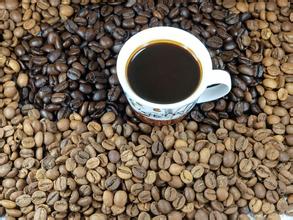
Colombian coffee exports are mainly sold to that place.
Colombia is fortunate to have Atlantic and Pacific ports, which helps to reduce the cost of transporting coffee, which is the only country in South America. The main production areas of Colombia are in the central and eastern mountains. The most important plantations along the central mountains are located in Medellin, Armenia and Man.

A brief introduction to the coffee bean flavor and taste of Santa Rita Manor, Colombia.
Colombia is fortunate to have Atlantic and Pacific ports, which helps to reduce the cost of transporting coffee. In South America, she is the only country with this condition. The National Coffee Management Association of Colombia, like the National Management Association of Kenya, is a model of coffee organization. Compared with other producing countries, Colombia is more concerned with developing products and promoting production. That's exactly what it is.
Packaging of raw coffee beans: an analysis of the secret of raw bean labels: what is meant by "GP"
There is a lot of information on the label of raw coffee beans. In addition to clear information at a glance, such as altitude and how to handle it, there are also some common English abbreviations that sometimes take a little thought. GP, refers to a way of packaging raw beans, GrainPro, special packaging for grains. When raw coffee beans are exported from the place of production, they are packed in gunny bags, which is already familiar to most coffee lovers. But,

Why is Bolivia called Coffee Paradise an introduction to the characteristics of coffee in La Paz, Bolivia
If you want to talk about the paradise of coffee beans, it is Bolivia. This producing area can be regarded as one of the most recommended boutique coffee producing areas. Most of the coffee beans in this producing area are a little sweet and very pleasing, but the number of coffee beans is very small. This country, located in Central and South America, is one of the five most diverse countries in the world, surrounded by five countries.

Honduran Coffee producing area | Koban District, Obalaca District, Monde Seiyos District, Gongmayagua
Professional coffee knowledge exchange more coffee bean information please pay attention to the coffee workshop (Wechat official account cafe_style) Honduran coffee producing area | Koban District, Obalaka District, Monde West right District, Gongmayagua flavor difference? Honduras was previously less well-known in the consumer market because it did not have strong support for the handling and transportation of raw beans. In recent years

A brief introduction to the origin, development, history and culture of high-quality Xuemai Manor boutique coffee beans
The early Bolivian coffee was of low quality and the market was very poor. Usually the picked coffee fruit is bumped all the way to the processing plant after a simple peeling treatment. Due to the imperfect infrastructure, the traffic is underdeveloped. Coffee farmers have to overcome the rugged mountain road and transport the beans to the higher altitude area of La Paz for washing. If the coffee fruit can not be delivered to the processing in time

Flavor description of Colombian Huilan Coffee Variety introduction of Regional treatment method
The flavor description of Colombian Huilan Coffee the regional treatment method of producing varieties introduces that Colombia is fortunate to have Atlantic and Pacific ports, which helps to reduce the cost of coffee transportation. In South America, she is the only country with this condition. The main production areas of Colombia are in the central and eastern mountains. The most important plantations along the central mountains

The basic knowledge of Colombian coffee beans
Colombian Coffee Culture Colombia is located in northwestern South America, bordered by the Pacific and Atlantic Ocean. Panama in the northwest, Venezuela in the east, Brazil in the southeast, Peru in the south and Guadore in the southwest. Colombian Coffee Culture in 1808, a priest first introduced coffee to Colombia from the French Antilles via Venezuela. Today, the country

Introduction to the characteristics of varieties of Colombian coffee beans describing flavor and taste
Colombian coffee beans describe the flavor and taste characteristics of varieties. Colombia is fortunate to have Atlantic and Pacific ports, which helps to reduce the cost of transporting coffee. In South America, she is the only country with this condition. The main production areas of Colombia are in the central and eastern mountains. The most important plantations along the central mountains are located in Medellin,

Introduction to the characteristics of Brazilian boutique coffee flavor manor with mellow taste
The Portuguese expedition established a colony in Pakistan in the 1630s. The Governor was appointed in 1549. The entire colony was then United along the Atlantic coast under Portuguese rule. The French invaded in 1555, occupied the equivalent of present-day Rio de Janeiro, and intended to set up a French colonial stronghold in South America. However, because the French were unable to attract colonists from Europe,

How to distinguish between bourbon coffee tree and Brazilian bourbon coffee is not boring.
Professional coffee knowledge exchange more coffee bean information please follow the coffee workshop (Wechat official account cafe_style) front street-bourbon varieties introduce Arabica (Arabica) coffee beans, first grown in Ethiopia. In the 6th-9th century AD, the raw material of coffee beans as a drink was brought to Yemen, but at that time it was only seed transportation. And in 1699,

A brief introduction to the treatment of Coffee beans in Santa Rita Manor, Colombia
A brief introduction to the processing and grinding scale of coffee beans in Santa Rita, Colombia is fortunate to have Atlantic and Pacific ports, which helps to reduce the cost of transporting coffee. In South America, she is the only country with this condition. The main production areas of Colombia are in the central and eastern mountains. The most important plantation along the central mountains is located in Mead.